The Art of Kaiseki in Kyoto's Hidden Alleys

Elena Rostova
Senior Asian Culture Editor
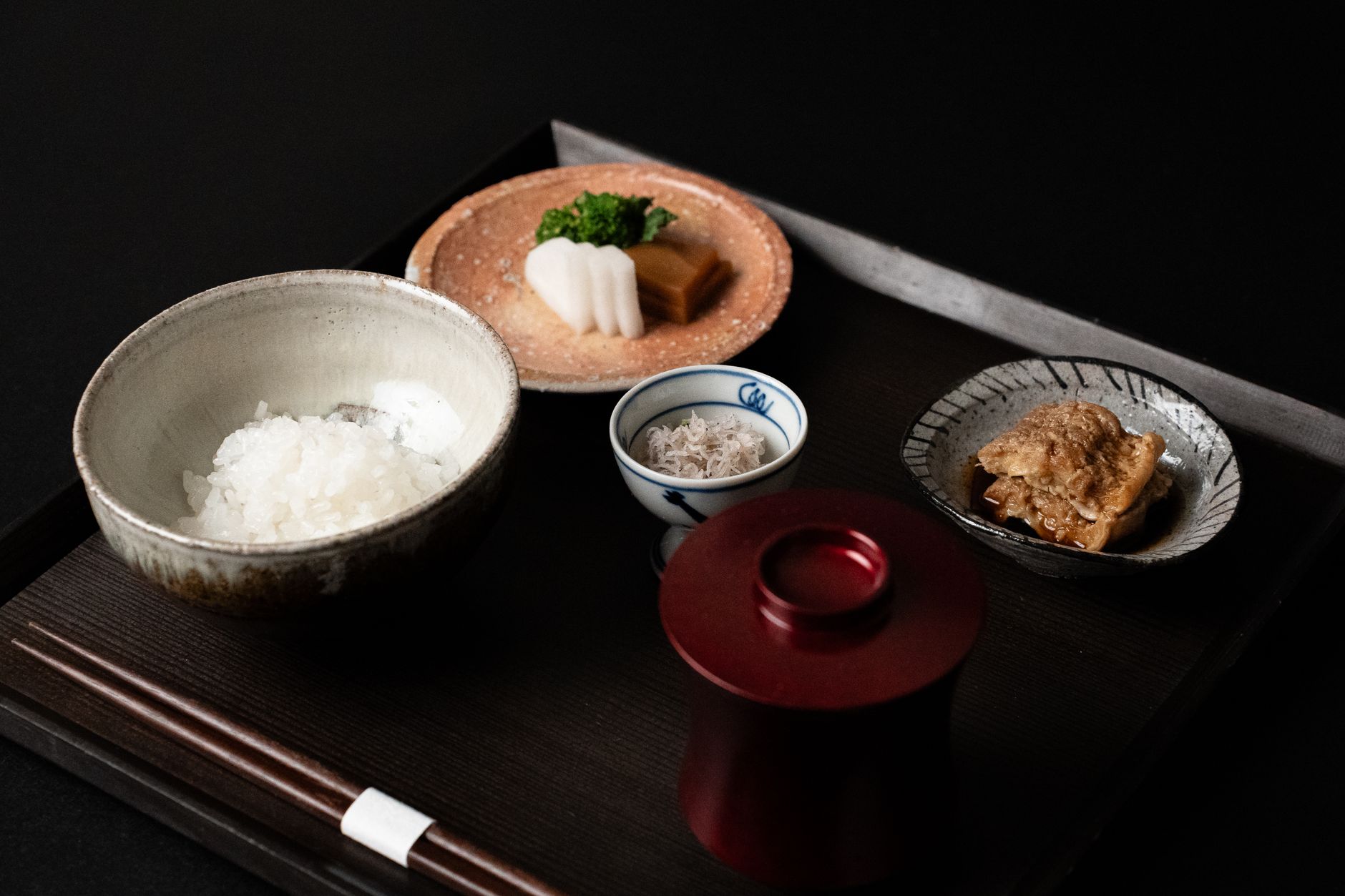
"To eat Kaiseki in Kyoto is to consume the season itself—a living artwork crafted from river water, bamboo shoots, and ancestral discipline."
Deep within Gion’s cobblestone alleyways, behind unbranded noren curtains, lies the quiet heart of Japanese gastronomy. Kaiseki dining originated as an accompaniment to the tea ceremony, but over centuries it evolved into the world's most refined seasonal tasting ritual.
1. The Philosophy of Shun (Seasonality)
In western cuisine, chefs often strive for consistency year-round. In Kyoto, the guiding light is shun—the exact week when an ingredient reaches its pinnacle flavor. A single meal might feature wild matsutake mushrooms harvested that morning from the northern hills, paired with sweet river ayu fish grilled over charcoal.
2. The Harmony of Ceramics & Space
Every plate, lacquer bowl, and glass dish is chosen to reflect the thermal and visual rhythm of the month. Heavy earthenware anchors winter dishes, while transparent glass and cool porcelain elevate summer offerings.